

Classic Children's Literature
About this Quiz
There's a reason certain stories never leave the shelf. They get passed down, dog-eared, read aloud in wobbly voices at bedtime, and somehow they hold up decades — sometimes more than a century — later. Classic children's literature is deceptively simple on the surface and surprisingly strange underneath.
Consider the origins. Many of these beloved tales came from unlikely places. Lewis Carroll first told the story of a girl falling into an underground world during a rowing trip on the River Thames in 1862, making it up on the spot to entertain three young sisters. It wasn't written down until later, and only because one of the girls begged him for a copy.
Then there's the matter of how dark some of these books actually are. Original fairy tales and early children's stories were often grim, moralistic, and unafraid of danger. Authors of the era believed a good scare built character. The gentle, sanitised versions came later — usually courtesy of film studios.
Money and geography shaped these classics too. Beatrix Potter self-published her first little book after being rejected by publishers, printing 250 copies at her own expense. It sold out. She went on to become a shrewd businesswoman and one of Britain's most important conservationists, buying up vast stretches of the Lake District to protect them.
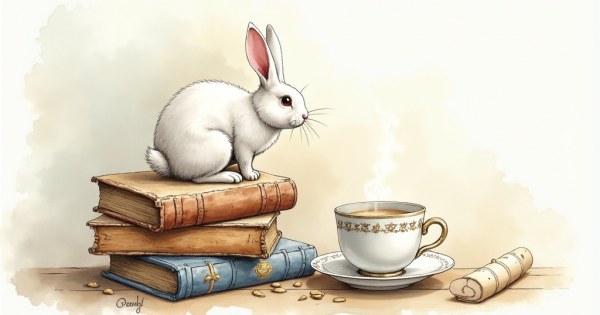
And who could forget the illustrators? For many of these books, the pictures are as famous as the words. The visual identity of certain honey-loving bears and waistcoat-wearing rabbits was fixed forever by artists whose names deserve just as much credit as the writers'.
Why do these stories endure while thousands of others fade? Perhaps because they trust children to handle real things — loss, fear, friendship, courage — wrapped in talking animals and magical lands. A spider who understands mortality. A boy who refuses to grow up. A caterpillar who eats through an absurd amount of food before something remarkable happens.
These books built imaginations across generations. The characters feel like old friends, the settings like places once visited. But how well do the details actually hold up under scrutiny — the names, the authors, the tiny facts tucked between the pages?
Time to find out. Take the quiz and see how much of childhood's finest reading still sticks.
Advertisement