

The Great American Novel Quiz
About this Quiz
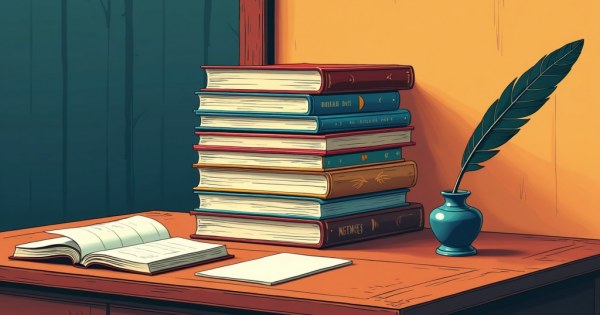
There's a peculiar obsession baked into American literature: the hunt for the one book that captures the whole sprawling, contradictory nation. The phrase "Great American Novel" was coined in 1868 by a now-obscure writer named John William De Forest, who argued that no one had yet pulled it off. More than a century and a half later, the argument is still going strong.
What makes the American canon so strange and thrilling is how much of it was ignored in its own time. Herman Melville died in near-total obscurity, his masterpiece so poorly received that his New York Times obituary misspelled the title of his most famous book. It took the 1920s literary crowd to dig him back up and crown him a genius.
Fitzgerald fared little better. He died believing himself a failure, with unsold copies of his finest work gathering dust in a warehouse. It became required reading only after millions of paperback copies were shipped to soldiers during World War II. The men in the trenches, it turns out, made the reputation.
And the writers themselves? Endlessly odd. Faulkner claimed he wrote one of his densest novels in six weeks while working the night shift at a power plant. Flannery O'Connor raised peacocks on her Georgia farm, keeping dozens of them strutting across the lawn while she wrote some of the most unsettling fiction in the language. Toni Morrison edited books by day at Random House before dawn belonged to her own manuscripts.
What ties these authors together isn't geography or era. It's ambition. They wanted to explain America to itself — its violence, its longing, its self-invention, its ghosts. Some reached for the frontier. Others burrowed into a single crumbling family or a single suburban street.
So which novels actually earned the title? Who wrote the sentences that outlived their authors? And how much of this vast, restless tradition sticks in the memory once the covers are closed?
This quiz roams from Puritan New England to the dust bowls of the Depression, from whaling ships to postwar suburbia, testing knowledge of the books that shaped a country's sense of itself. Some questions are gentle. Others are ruthless.
Time to find out how deep the shelf really goes.
Advertisement