

What is Your Spirit Animal?
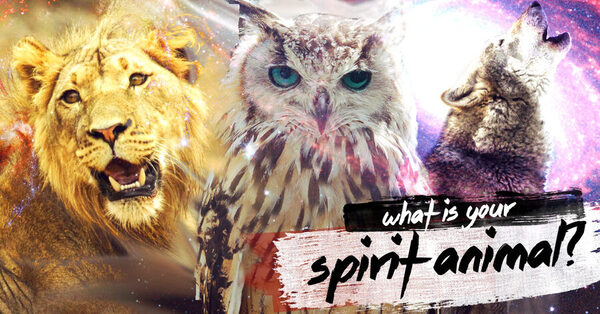
For thousands of years Native tribes would venture into the forest to find their spirit animal. This animal would offer guidance, protection and inspiration throughout their lives. Now you can find your spirit animal without leaving your chair!
About this Quiz
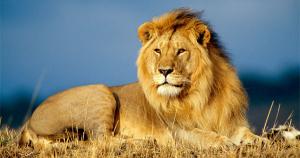
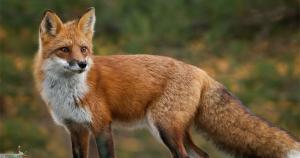
Totem animals show up in human cultures far older than any written record, and anthropologists spent the better part of the twentieth century arguing about why. Émile Durkheim thought the totem was really society dressed up as an eagle or a bear — a way for a clan to worship itself without admitting it. Others saw something more practical: a mental shorthand for character. The lion for the one who fights, the fox for the one who schemes. Whatever the origin, the habit of seeing ourselves in animals has never gone away. People still describe a boss as a shark or a friend as a golden retriever, and everyone knows exactly what they mean.

That kind of shorthand turns out to track something real about temperament. Psychologists who study individual differences find that traits like dominance, sociability, and emotional reactivity cluster in recognizable ways, and those clusters predict oddly specific things. High sociability, for instance, correlates with a wider circle of weak ties — the acquaintances who, decades of research on job-hunting suggest, are more likely to hand you your next opportunity than your closest friends are. An animal metaphor compresses all that into one image the brain can hold onto.
The questions here poke at those clusters from several angles. Some ask about behavior under pressure, like what happens when a temper gets tested or when a friend turns out to be a cheat. Others go after social instinct — whether strangers walk away feeling welcomed or invisible, whether flirting comes easily or not at all. A few reach for values, since what someone believes about love or about helping the poor tends to sit close to how they treat the people in front of them. The point of asking about parties, walks, and five-year plans isn't the activities themselves. It's the pattern of energy, risk, and self-control that shows through the choices, which is harder to fake than a direct question about personality would be.
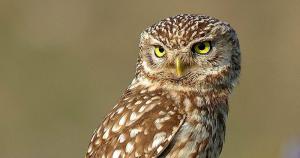
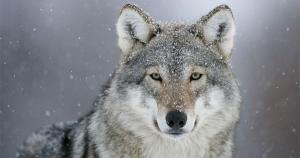
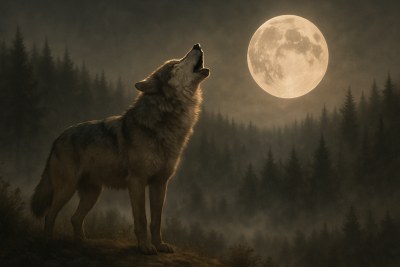
No quiz reads a person the way a close friend does, and this one won't tell anyone something a decade of honest reflection couldn't. What it can do is name a pattern that's usually easier to see from the outside. Sometimes a label, even a playful one about wolves and owls, gives a person permission to notice a habit they'd been half-ignoring. That's a modest thing. It's also not nothing.
Advertisement