

What Breed of Dog is Best for Me
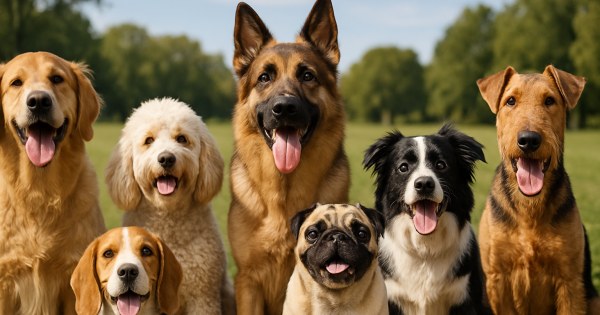
Choosing a dog breed isn't just about which one is cutest on Instagram. It's about lifestyle, energy, and honestly, how much fur you're willing to find in your cereal.
About this Quiz
Somewhere in the 1960s, animal behaviorists started noticing that dogs and their owners tended to match — not in appearance, though there's a strange body of research on that too, but in temperament and rhythm. Anxious people ended up with anxious dogs. Runners found dogs who ran. The direction of causation was never clean, and psychologists still argue about how much a dog reflects its owner versus reshapes them. What held up was the correlation. People don't pick dogs at random. They pick, often without realizing it, an animal that fits the life they already live or the one they secretly wish they had.

That gap between the actual and the aspirational is where most bad matches happen. Someone imagines the version of themselves who wakes at six for a trail run, buys a Border Collie, and discovers eighteen months later that the collie is bored out of its mind and has started rearranging the furniture. Breed compatibility turns out to be a decent proxy for something larger — how honest a person can be about their own energy, patience, and tolerance for mess. That kind of self-assessment predicts more than dog satisfaction. It shows up in how people choose jobs, commit to routines, and decide what they'll actually maintain versus what merely sounds impressive.

The questions here work by separating stated intention from lived behavior. Asking someone if they want a "well-trained dog" gets a yes from nearly everyone. Asking how they actually spend a Saturday morning, or how they'd feel about fur on the sofa, gets closer to the truth. The point of asking about living space, time away from home, and children isn't logistics for its own sake — those constraints reveal what a person can sustain rather than what they can summon on a good day. Consistency matters more than peak effort, both with dogs and with most things worth doing.
None of this will hand over a definitive answer, and it shouldn't pretend to. A quiz can't measure how a specific animal will greet a specific person on a Tuesday. What it can do is force a slightly awkward look at the difference between the life someone leads and the one they picture. That's useful information whether or not a dog is involved. People tend to choose companions, careers, and commitments the same way — hopefully, and with a little too much optimism about the early mornings.
Advertisement