


You wrote the rulebook on power. Literally.
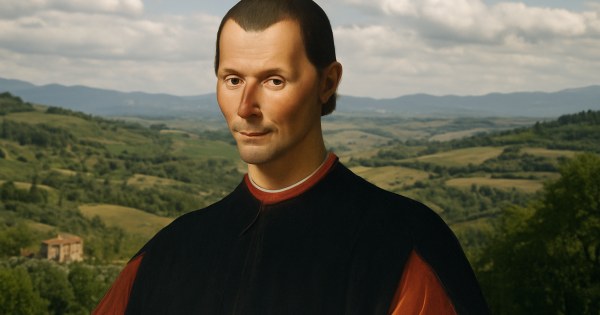
In a past life, you were Niccolò Machiavelli, the original "it's not personal, it's just politics" guy who wrote the actual rulebook on power and then refused to apologize for a single word of it. A man ahead of his time, largely because his time was not ready for him. Yours might not be either.
You are already three moves ahead, quietly clocking everyone's motivations while smiling pleasantly over your drink. You notice things. You file things away with a mental efficiency that would unsettle most people if they knew about it. They don't, because you are also very good at seeming perfectly normal. Charming, even. That part is deliberate, and you know it.
Manipulation is such an ugly word for what you prefer to call "reading the situation correctly and acting accordingly." You have catalogued exactly which emotions are useful in a given moment and which ones can wait in the car. The ends justify the means, the prince does not explain himself, and you have never once sent an apologetic follow-up email.
What makes you genuinely Machiavellian is not the scheming. It is the patience. You can wait, you can smile, you can let someone think they have the upper hand for as long as it serves you. That kind of composure takes a specific personality type, and that personality type is you.
Things We Learned About You From Your Answers
In Relationships
You love strategically, which sounds cold until you realize it means you're intensely loyal to the few who earn your trust. You read people effortlessly and rarely get blindsided. The challenge? Vulnerability feels like exposure. Let someone see the calculations behind the charm occasionally, and you'll find real intimacy isn't a game you have to win alone.
At Work
You're the person quietly running things while others chase credit. You understand office politics as a system, not a nuisance, and you navigate it with unnerving precision. Colleagues underestimate you until it's too late to matter. Just remember: not every situation requires a strategy. Sometimes sincerity is the more disarming, and effective, long game.
Tidbit
You'd share your past-life status with Sun Tzu, Frank Underwood, and every chess grandmaster who ever smiled while trapping a king. Cardinal Richelieu is likely in your extended cohort, plotting beautifully from the shadows.